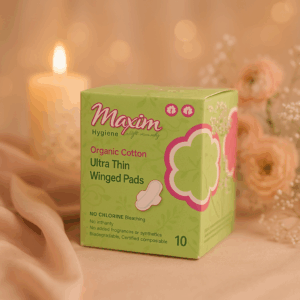
Cotton is a staple material in many everyday products, including clothing, bedding, and of course, menstrual products. However, not all cotton is created equal, and consumers are increasingly seeking out options that align with their values, whether it be sustainability, health, or environmental consciousness. In the realm of menstrual products, three terms often pop up: Organic Cotton, Chlorine-Free Cotton, and Natural Cotton. Let’s unravel the differences between these varieties to help you make informed choices.
- Organic Cotton: Organic cotton is cultivated using methods and materials that have a low impact on the environment. This means no synthetic pesticides or fertilizers are used in the cultivation process. Instead, organic farmers rely on natural methods like crop rotation, composting, and beneficial insect habitats to maintain soil fertility and control pests.
From a health perspective, organic cotton is free from harmful chemicals and residues that may linger on conventionally grown cotton. This makes it a preferred choice for individuals with sensitive skin or allergies, particularly when it comes to products that come into direct contact with the skin, such as menstrual pads and tampons.
In terms of environmental impact, organic cotton cultivation promotes biodiversity, reduces water usage, and minimizes soil erosion. By choosing menstrual products made from organic cotton, consumers can support sustainable agriculture practices and minimize their exposure to potentially harmful chemicals
- Chlorine-Free Cotton: Chlorine-free cotton refers to cotton that has been processed without the use of chlorine bleach. In traditional cotton processing, chlorine bleach is often used to whiten the fibers, but this process can result in the formation of harmful byproducts such as dioxins, which are known to be toxic and persistent in the environment.
By opting for chlorine-free cotton, consumers can avoid exposure to these harmful chemicals and reduce their environmental footprint. Additionally, chlorine-free processing methods are often gentler on the fibers, preserving their natural properties and reducing the risk of skin irritation or allergic reactions.
- Natural Cotton: Natural cotton refers to cotton that is minimally processed and retains its natural characteristics. Unlike conventional cotton, which may undergo extensive processing and treatments, natural cotton is free from synthetic chemicals and additives.
While natural cotton may not necessarily be certified organic or chlorine-free, it still offers many benefits in terms of sustainability and health. Its minimal processing means fewer resources are used in its production, and its natural properties make it gentle on the skin and environmentally friendly.
In conclusion, while Organic Cotton, Chlorine-Free Cotton, and Natural Cotton may seem similar at first glance, each variety has its own unique attributes and benefits. Whether you prioritize sustainability, health, or environmental consciousness, there is a cotton option out there to suit your needs. By understanding the differences between these varieties, you can make informed choices and support brands that align with your values.