
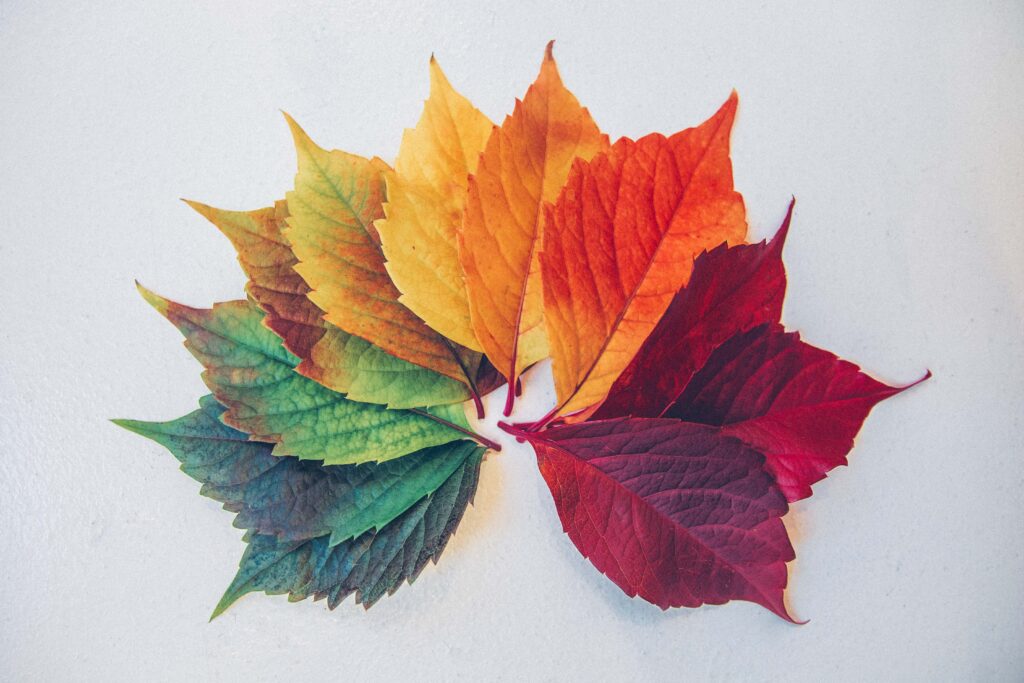
A woman’s body definitely changes throughout the cycle of a month, but did you know our bodies change throughout the year as well? A recent study in Nature Communications found that as many as one-fifth of the genes in our blood cells undergo seasonal changes in expression.
While these changes can be mildly annoying, the best way to counter them are by following the cardinal rules — exercise often, stay hydrated, and listen to your body’s needs. Read below to find out how to best prepare your body for the year’s coming changes!
1. Increased Inflammation
In the winter, our blood contains a denser blend of immune responders, meaning our immune systems have gone into hyperdrive. Studies indicate that the genes that promote inflammation are increased in winter, while genes that suppress inflammation are simultaneously decreased in the winter, making the season a threat to those who suffer from inflammation related illnesses like arthritis, asthma, or Crohn’s. To battle the effects of cold weather on the immune system try to eat foods rich in antioxidants such as beets, turmeric, kale or potatoes and keep your vitamin D levels high.
2. Metabolic Slowdowns
During the months between late summer and fall, our bodies become more insulin resistant causing the liver to increase fat production and our bodies to store fat in our tissues. Think of yourself as a bear getting ready to hibernate and it will seem more natural. Coupled with the fact that Thanksgiving and the holidays occur in winter, these months can easily turn into a time of weight gain.
To stave off the pounds, try to integrate a more high intensity workout into your regular routine. Cardio is one of the best ways to burn calories as well as lower your blood pressure and overall risk for heart attack and strokes. The American Heart Association recommends getting at least 150 minutes (2.5 hours) of moderate exercise or 75 minutes (1.25 hours) of vigorous exercise per week to maintain heart health.
3. Mood Changes
It’s not just an old wives tale that sunlight affects our mood — a lot of people suffer from depression beginning in the late fall or early winter. This is called seasonal affective disorder, or SAD. People prone to SAD suffer major depressive episodes lasting through until the spring or summer. Some studies suggest SAD causes individuals to secrete the hormone melatonin for longer periods during winter nights than during summer nights meaning our bodies feel less well rested and may crave more sleep.
To battle the effects of dark and dreary days, try spending more of your time outdoors to absorb all the natural light and nature that you can — studies have shown even short walks in nature enhance our mood. Also be sure to fill up your social calendar — hanging out with friends and family can bring a warmth to your life you may have forgotten you needed.
4. Dry Skin
Extreme weather and dry conditions cause the skin’s outer cells to shrink and lose more water than normal in the winter, making it essential to moisturize and replace your body’s natural moisture in the winter. Filaggrin, a protein that helps maintain the skin’s barrier function, changes significantly between winter and summer, particularly on the cheeks and hands. This is why some people suffer from eczema and rosacea during the colder months.
To protect your skin as much as possible, make sure you stay hydrated, use a thicker moisturizer and body lotion, layer up with scarves and gloves, and don’t forget to wear sunscreen! Dry and agitated skin allows for greater UV damage, particularly if you’re around snow and the rays are being reflected back off the ground.
As the winter approaches and Coronavirus still poses a threat to our wellbeing, be sure to take the necessary precautions — get your flu shots, hang out with your masks on, limit the number of people you meet at one time, try to socially distance, and consider the ventilation of the space you’ll be in as you transition to spending more time indoors.