
Have you ever felt a wave of nausea, dizziness, or stomach upset right before or during your period? You might describe it as a “monthly flu” or debilitating motion sickness that arrives like clockwork.
If this sounds familiar, you are far from alone. Period nausea is a common yet severely under-discussed symptom of menstruation. At Maximhy, we believe in shedding light on the real, often unspoken, experiences of menstrual health. Understanding why this happens is the first step toward finding effective relief and ending the unnecessary stigma.
What Causes Nausea During Your Period? The Science Explained
The primary culprit behind period nausea is a group of chemicals called prostaglandins. These are released in your uterine lining during menstruation to help contract the uterus and shed its lining.
However, prostaglandins don’t stay localized. They can enter your bloodstream and affect other smooth muscles in the body including those in your digestive tract. This can lead to:
-
Stomach cramping and nausea
-
Digestive upset and diarrhea
-
A general feeling of queasiness or “period sickness”
Additionally, severe menstrual cramps (dysmenorrhea) can trigger a pain-induced nausea response, while hormonal shifts in estrogen and progesterone can indirectly influence the brain’s nausea center.
Why Is “Period Flu” Rarely Talked About?
Despite affecting a significant portion of people who menstruate, period nausea remains in the shadows of menstrual health discourse. It is frequently dismissed as “just bad PMS” or an exaggeration. This silence has consequences:
-
Inadequate Education: Basic health classes rarely cover symptoms beyond cramps.
-
Delayed Relief: Many suffer for years without seeking treatment, unaware that solutions exist.
-
Isolation and Stigma: The experience becomes a private burden, minimizing its impact on daily life, work, and mental well-being.
This gap in conversation and care points to a broader issue: the normalization of suffering in women’s health.
Actionable Strategies for Managing Period Nausea
You don’t have to just endure it. Here are research-backed and holistic approaches to manage this symptom:
-
Dietary Adjustments for Relief:
-
Ginger: A powerful natural anti-nausea remedy. Try ginger tea, chews, or supplements.
-
Small, Frequent Meals: Avoid an empty or overly full stomach. Opt for bland, easy-to-digest foods like bananas, rice, applesauce, and toast (the BRAT diet).
-
Hydration & Electrolytes: Sip water, herbal teas, or electrolyte drinks slowly throughout the day to combat dehydration, especially if vomiting occurs.
-
-
Lifestyle and Comfort Measures:
-
Heat Therapy: Applying a heating pad to your lower abdomen can relax muscles, ease cramps, and indirectly reduce cramp-induced nausea.
-
Stress Reduction: High stress can worsen symptoms. Practices like deep breathing, meditation, or gentle yoga may help regulate your nervous system’s response.
-
Rest: Listen to your body. Fatigue can intensify nausea.
-
-
When to Consider Medical Support:
If lifestyle changes aren’t enough, consult a healthcare provider. They may recommend:-
Over-the-counter (OTC) options: Anti-inflammatory drugs (NSAIDs like ibuprofen) taken at the start of your period can reduce prostaglandin production.
-
Prescription Treatments: For severe cases, doctors might suggest stronger anti-nausea medication or hormonal birth control to regulate or suppress your cycle.
-
-
Let’s Change the Conversation on Menstrual Health
Ending the stigma starts with open dialogue. At Maximhy, we advocate for:
-
Inclusive Education that names and validates all menstrual symptoms.
-
Empowered Advocacy in medical settings, where you should feel comfortable describing all your symptoms.
-
Community Support to share experiences and solutions, reminding everyone they are not alone.
Have you experienced “period flu”? What strategies have helped you find relief? Share your story in the comments below your voice helps build a more informed and supportive community.
Disclaimer: This article is for informational purposes only and is not a substitute for professional medical advice. Always consult with your healthcare provider for personalized diagnosis and treatment.
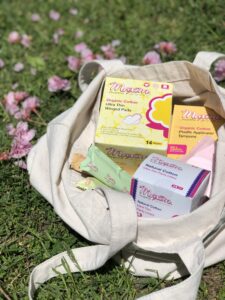
organic pads