
For those of us who have never used an applicator-less tampon before, the idea of sticking a cotton bullet into our bloody vagina with our bare finger can seem icky, but in reality, it’s a fairly clean process (once you’ve read the instructions), equally effective, and monumentally better for the environment. Getting over an aversion to bodily fluids is one thing, but the need to go green when using menstrual hygiene products is clear. Using plastic applicator tampons poses perils to marine ecosystems, wildlife and fauna near landfills, and degrades the environment through the added production materials and processes needed to create them.
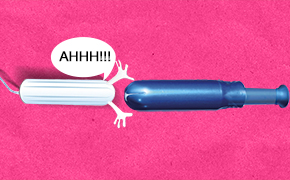
The Problem with Plastic Applicator Tampons
According to the book Flow: The Cultural History of Menstruation, the average woman throws away up to 300 pounds of feminine hygiene related products in a lifetime. In the United States alone, almost 12 billion pads and 7 billion tampons are disposed of each year. Each of those tampons and pads has an environmental impact; not only the product itself, but its packaging and applicator materials, as well as the less visible costs of production and transportation.
The time it takes for a tampon plastic applicator to degrade in a landfill is centuries longer than the lifespan of the woman who used it, particularly if it has been wrapped in a plastic wrapper or bag. The catch-22 is that women are often advised to do this, to keep blood residue from touching other things in the garbage and minimizing any health threats posed to those handling waste products.
Flushing applicators is even worse – in 2009, The Ocean Conservancy’s International Coastal Cleanup project collected 20,000 tampon applicators out of 4 million total pieces of reclaimed plastic waste! It can take applicators 25 years to break down in the ocean if they aren’t ingested by marine life, causing digestion blockage and death. Other than horrific affects on marine life and ocean pollution, flushing tampons is the worse alternative to tossing them into landfills. Flushing even the tampon itself can cause severe plumbing issues since cotton can expand up to 15x in water and they are built to be durable, meaning a minimum of 6 months to biodegrade.
The Playtex first-time user guide even suggests flushing the tampon instead of simply stating to to throw it out in the garbage! To be fair, plastic applicators will only account for about 0.5% of a woman’s waste production over her lifetime, but if every woman could make the transition to recycled cardboard applicator tampons or reusable methods, the effects would be immediately beneficial as we’ve already raped the Earth beyond sustainable capacity.
How To Change the Trend Towards Plastic Applicator Tampons
It’s no secret that developed countries are creating more waste than their counterparts, from fossil fuels to landfill waste; while most of the world uses pads and non-applicator tampons, American drugstores shelves are filled with plastic applicator tampons, some with perfumed scents, and some with extendable applicators so they can fit discreetly into purses and pockets. Most women in the world still use pads due to sociocultural taboos and issues of availability but in the United States, plastic is largely a matter of preference.
Applicators were only invented in the 1930’s and gained popularity in the 50’s due to new ad campaigns designating plastic as sleek, luxurious, comfortable, and modern. Since Playtex introduced the plastic, dome-tipped applicator in 1973, cardboard has slowly been replaced by it’s hardy, durable alter. According to Kotex research, sales of cardboard applicator tampons have declined nearly 40% since 2013. The American company reports that 88% of their $1.1 billion worth of tampons sold in 2015 had plastic applicators. In contrast, o.b.’s signature product, a non-applicator tampon, keeps the German company an international market leader. Designed by a gynecologist for women’s comfort and health, the non-applicator tampons also produce 58% less waste than their counterparts.
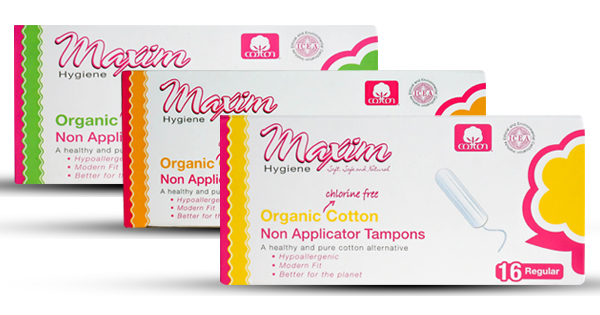
So… what can we do? The easiest first step to help save our earth if you’re a current plastic applicator tampon user is to switch to recycled cardboard applicators; silky finishes and rounded dome tips make it easy to adjust. If you’re ready to toss applicators all together, try organic, bleach and chlorine-free non-applicator tampons!